How to Count Music Beats Effectively for Accurate Rhythm Understanding
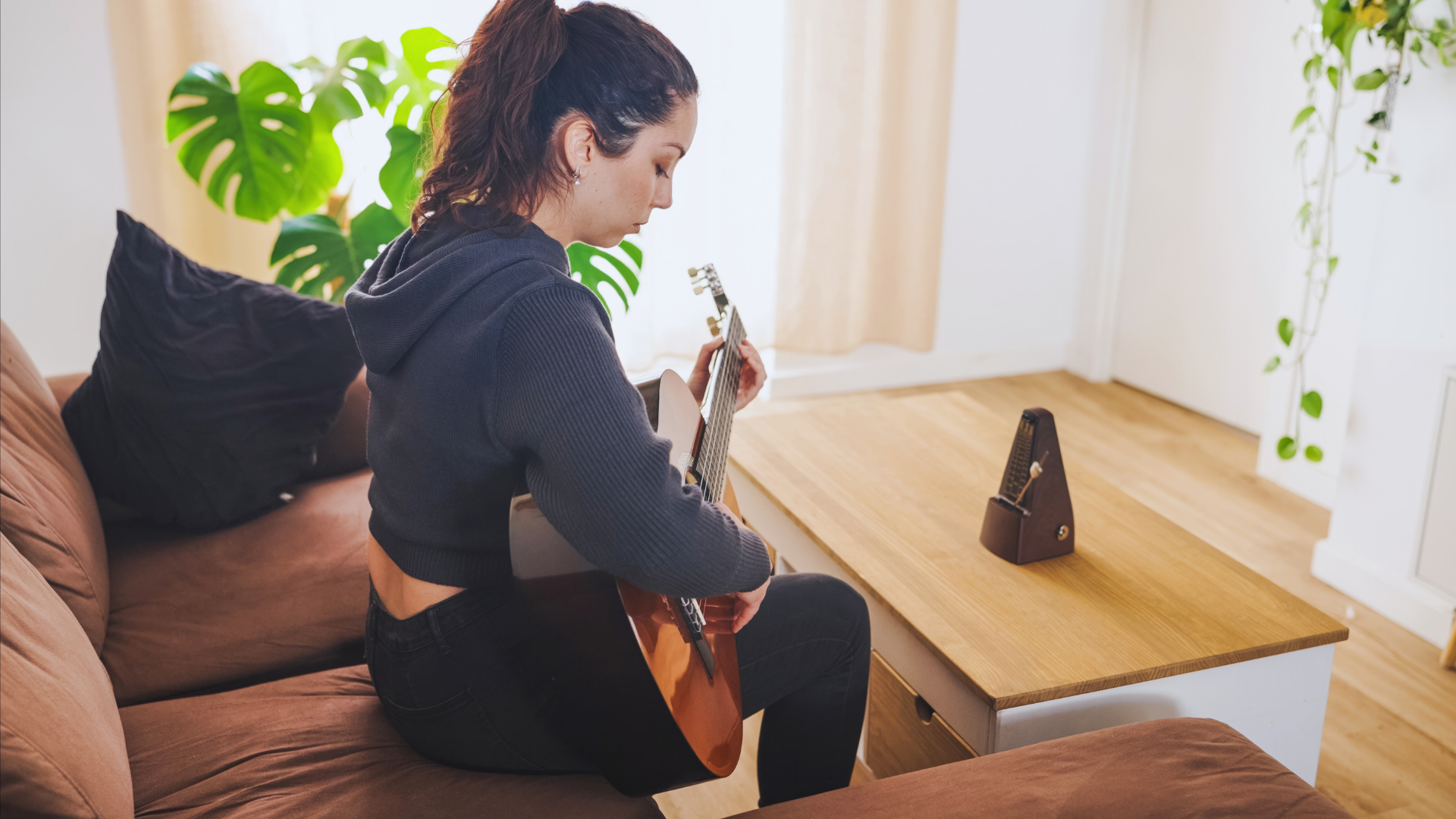
Counting music beats means identifying the steady pulse that runs through a song. The simplest way to count beats is to find the main pulse and count each hit or accent you hear in a consistent time frame, often grouping them in sets like 4 or 3. This helps you understand the rhythm and timing of the music.
You can listen closely for repetitive drum hits, claps, or bass notes to find the beat. Once you recognize the pattern, counting becomes easier, allowing you to follow the rhythm or even tap along accurately.
Mastering this skill improves your ability to stay in sync with music, whether you’re playing an instrument, dancing, or just listening. Understanding beats makes all musical experiences clearer and more enjoyable.
Understanding Beat in Music
The beat is the fundamental unit that structures music and guides listeners through a piece. It connects closely with rhythm and tempo, shaping how music feels and moves over time.
Definition of Beats
A beat is the basic pulse you can tap your foot to in any piece of music. It acts as a steady, recurring point of reference throughout a song, typically organized into equal time intervals.
Beats form the backbone of music, creating the timing framework that musicians and listeners rely on. In most popular music, beats fall into measurable groups called measures or bars. These groups help divide the music into sections, making it easier to follow and perform.
Beat vs. Rhythm
While beats provide a consistent pulse, rhythm is the pattern of sounds and silences layered on top of that pulse. Rhythm can vary greatly, but it always aligns with the underlying beats.
Think of the beat as a ticking clock, steady and predictable. Rhythm, on the other hand, is the sequence of events that happen between those ticks. This distinction clarifies why two songs can share the same beat but have very different rhythmic feels.
The Role of Tempo
Tempo defines the speed at which beats occur, usually measured in beats per minute (BPM). A higher BPM means faster beats; a lower BPM means slower.
Tempo significantly affects how music is experienced. Slow tempos create relaxed or dramatic moods, while fast tempos generate energy and excitement. Musicians use tempo markings to indicate the intended speed, ensuring consistent interpretation during performance.
Basic Methods to Count Music Beats
Counting music beats involves identifying the rhythm’s pulse and maintaining a steady internal tempo. Techniques often rely on either vocal or physical engagement with the music, using simple actions to mark each beat clearly.
Manual Counting Techniques
Manual counting is the process of verbally articulating beats while listening to music. Begin by listening for the song’s dominant rhythm, then say numbers aloud on each beat, typically “1, 2, 3, 4” for common time signatures.
This method helps internalize the tempo and improve timing accuracy. It is essential to maintain a consistent pace and avoid rushing. Use subdivision by counting “1 and 2 and…” to capture faster beats or rhythms with more complex patterns.
Counting Beats by Clapping
Clapping allows physical interaction with the music’s beat, turning abstract timing into a tactile experience. Start by clapping on the strong beats of the measure, usually the first beat of each bar.
This reinforces the sense of timing and accentuates beats that may be less obvious. Use louder claps on downbeats and softer claps on offbeats to build dynamic awareness. Practicing with a metronome can make this technique more precise.
Using Tapping Methods
Tapping involves tapping fingers, feet, or objects in time with the music’s beat. This is especially useful when manual or vocal methods feel disconnected from physical movement.
Tap steadily on each beat, matching the tempo exactly, then try subdividing beats to capture syncopation or more complex rhythms. Using a surface with a clear sound enhances feedback, helping to self-correct timing errors in real-time.
Using Tools and Technology to Count Beats
Various devices and software simplify counting beats by providing consistent tempo and visual aids. These tools enhance accuracy and help develop a stronger sense of rhythm, especially for beginners or complex time signatures.
Metronomes and Beat Counters
Metronomes produce a steady clicking sound or light pulse at a set tempo, measured in beats per minute (BPM). They can be mechanical or digital. Digital metronomes often include features like volume control, different sound types, and visual indicators.
Beat counters go further by detecting the tempo of a live performance or recorded track. These devices listen to the music and display the BPM, making it easier to identify and follow the rhythm without manual counting. Some advanced beat counters also provide timers and tap-tempo functions to match the beat quickly.
Using a metronome or beat counter helps improve timing and consistency when practicing or performing.
Music Apps and Software
Many smartphone apps and computer programs assist in counting beats. These apps often combine metronome functions with additional tools like visual waveforms, tempo detection, and rhythm exercises.
Popular apps such as Soundbrenner, Tempo, and Metronome Beats allow users to customize time signatures, set complex rhythms, and practice alongside digital beats. Some software can analyze audio files to identify BPM automatically, which is helpful when working with various songs.
Using apps provides flexibility and portability, making it convenient to practice or analyze beat patterns anytime. Some apps also integrate with digital audio workstations for professional music production.
Counting Beats in Different Time Signatures
Counting beats varies depending on the time signature, which dictates how many beats are in a measure and which note value receives one beat. Understanding the pulse and grouping of beats helps maintain rhythm accuracy.
Common Time (4/4)
4/4 time, also known as common time, is the most frequently used time signature in music. It has four beats per measure, with the quarter note equaling one beat. Counting is straightforward: count “1, 2, 3, 4” steadily and evenly.
Each beat gets an equal emphasis, but the first beat (the downbeat) is usually the strongest. Subdividing beats into eighth notes can be done by counting “1 & 2 & 3 & 4 &” to capture faster rhythms while staying aligned with the main pulse.
This time signature suits many music styles, making mastering its beat counting fundamental for musicians.
Triple Meter (3/4)
3/4 time contains three beats per measure, with each beat as a quarter note. It is often used in waltzes and other dance music. The natural counting is “1, 2, 3,” where beat one is the strongest, followed by two weaker beats.
Feel the measure as a cycle of one strong beat and two light beats. This helps keep the rhythm flowing, especially since 3/4 can feel different from the balanced 4/4.
Subdivision follows a similar pattern, with eighth notes counted as “1 & 2 & 3 &.” Emphasizing the first beat helps avoid losing the pulse.
Compound Time (6/8)
6/8 is a compound meter with six eighth notes grouped into two sets of three. It is often counted as two main beats per measure with a triplet feel: “1 (2 3) 4 (5 6).”
Each main beat equals a dotted quarter note, so you count “1, 2” where each beat contains three subdivisions. This gives 6/8 a swinging or lilting rhythm common in jigs and ballads.
Counting individual eighth notes as “1 & a 2 & a” can aid in precision, but feeling the pulsing two beats helps maintain the overall tempo and musical phrasing.
Visual Cues for Counting Beats
Visual cues help maintain a steady rhythm by providing clear signals on where beats fall in time. These cues come from written music and from watching others perform. They offer specific, recognizable patterns to track beat placement and timing.
Reading Sheet Music
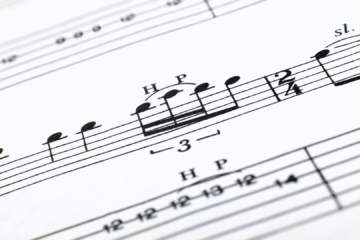
Sheet music uses symbols to indicate rhythm and beat. Time signatures tell how many beats are in each measure and what note value counts as one beat. For example, a 4/4 time means four quarter-note beats per measure.
Note shapes affect how long each sound lasts. Quarter notes get one beat, half notes get two, and eighth notes get half a beat. Rests show where silence occurs.
Vertical bar lines divide music into measures, helping you count the beats within each section. Pay attention to dynamic markings and accents that highlight specific beats, guiding emphasis in your counting.
Observing Conductors and Musicians
Conductors use clear, consistent hand gestures to mark beats. Their downward and upward movements indicate the strong beats and beat subdivisions. Watching the conductor’s baton or hand helps follow the tempo and beat pattern visually.
Musicians often use body movements like foot tapping or nodding to keep time. These physical cues reinforce internal counting and provide others with visual confirmation of the beat.
Eye contact and watching bowing or strumming motions also reveal beat placement. These subtle gestures show when note attacks happen, aiding in syncing with the group.
Advanced Beat Counting Strategies
Mastering complex rhythmic structures requires focused techniques. These include understanding overlapping rhythmic patterns and adapting to unexpected stresses in the music.
Polyrhythms and Complex Patterns
Polyrhythms occur when two or more different rhythms are played simultaneously, creating layers of beats that don’t align evenly. To count polyrhythms, identify the primary pulse first—usually the simplest or steady beat.
Break the rhythm into common subdivisions. For example, a 3 against 2 polyrhythm means fitting three evenly spaced beats into the same time as two beats. Use a counting phrase like “1 2 3” for the triplet and “1 2” for the duplet.
Practice by clapping or tapping each layer separately. Then combine them slowly before increasing speed. Counting aloud or using a metronome programmed for these patterns can improve accuracy.
Syncopation Handling
Syncopation shifts emphasis to normally weak beats or offbeats, disrupting regular pulse expectations. To count syncopated rhythms, focus on maintaining the underlying strong beats while feeling the offbeat stresses.
Use subdivisions enthusiastically; count “1 and 2 and” to mark offbeats clearly. Tap steady beats with your foot while clapping syncopated rhythms with your hands.
Visualizing syncopation as a disruption within a steady grid helps maintain temporal awareness. This approach prevents rushing or lagging when the rhythm feels irregular. Syncopation practice is enhanced by isolating tricky measures and repeating them slowly.
Practical Applications of Counting Beats
Counting beats is essential for musicians to maintain rhythm and timing. It ensures that every note or chord fits within the structure of the song.
In live performances, counting beats helps musicians stay synchronized with each other. Drummers, in particular, use beat counting to keep the entire band aligned.
For dancers, counting beats is crucial to moving on time with the music. It allows them to match steps with the rhythm, improving coordination and flow.
Music producers also rely on beat counting when creating tracks. It assists in aligning loops, samples, and effects precisely.
Benefits of Counting Beats:
| Application | Benefit |
| Playing Music | Maintains a steady rhythm |
| Performing Live | Keeps the band in sync |
| Dancing | Coordinates movement |
| Music Production | Aligns elements in recordings |
Understanding how to count beats also helps in learning new songs faster. It breaks complex rhythms into manageable pieces, making practice more efficient.
Counting beats is a foundational skill across multiple music-related activities. Mastering it improves both performance and enjoyment.
Common Mistakes and How to Avoid Them
A frequent mistake is counting too fast or too slow. The tempo of the music sets the pace, so adjust your counting to match the actual speed. Use a metronome if needed to keep consistent timing.
Another error is losing focus on the beat when the music changes or becomes complex. Stick to the main pulse rather than trying to follow every instrument or rhythm variation.
Many beginners struggle with misinterpreting time signatures. For example, confusing 3/4 with 4/4 can lead to incorrect beat counts. Familiarize yourself with common time signatures and practice counting within each.
Avoid overcomplicating the count by breaking down beats into smaller subdivisions too early. First master counting whole beats, then gradually include halves or quarters as your skill improves.
| Common Mistake | How to Avoid |
| Counting at an uneven speed | Use a metronome or tap foot to maintain pace |
| Losing the main beat | Focus on the steady pulse, ignore extra rhythms |
| Confusing time signatures | Study and practice different meters |
| Overcomplicating early | Start simple, add subdivisions later |
Practicing regularly with different songs will help reduce errors. Confidence comes from experience, so keep counting along with various styles and tempos.
0 Comments