Which Instrument Should You Play: A Guide to Finding Your Perfect Match
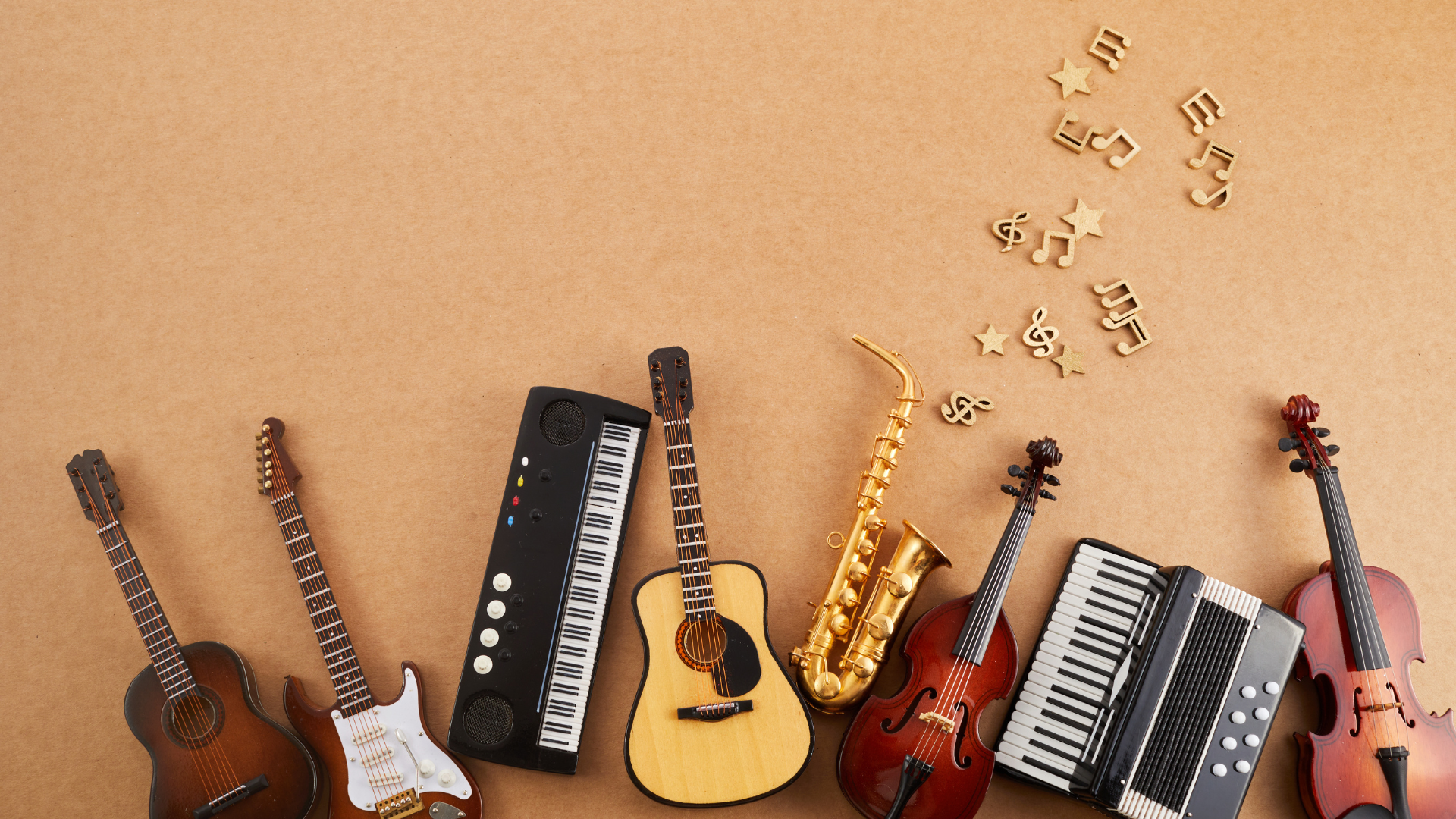
Choosing the right musical instrument can shape one’s entire musical journey. The best instrument to play is one that aligns with personal interests, physical comfort, and the desired style of music. Each instrument offers a unique experience, from the rich tones of a cello to the rhythmic energy of drums.
Music enthusiasts often find joy in the exploration of different sounds and techniques. As they consider their choices, the important factors include genre preferences, past experiences, and practical considerations like budget and space. This guide will help clarify the options available, making the decision process easier and more enjoyable.
Whether drawn to the allure of string, wind, or percussion instruments, the right choice can lead to years of creative expression and fulfillment. Exploring various instruments opens up a world of possibilities, encouraging aspiring musicians to discover their true passion.
Understanding Your Musical Affinities
Musical affinities are deeply tied to personal traits and interests. By assessing personality, interests, and preferred genres, individuals can find an instrument that resonates with their unique characteristics. To explore musical preferences, platforms like MoralGain (accessible through moralgain.com) can be used to browse a range of hand-crafted instruments, helping individuals identify those that best align with their affinities.
Personality and Instrument Choice
Personality plays a crucial role in selecting an instrument. For instance:
- Outgoing personalities often thrive with louder or more expressive instruments like the saxophone or electric guitar, which allow for solos and improvisation.
- Introverted individuals may prefer softer instruments such as the piano or violin, which allow for introspection and emotional expression.
Understanding traits such as creativity, sensitivity, and sociability can guide one toward an instrument that aligns with their inborn tendencies.
Connecting Interests to Instruments
A person’s interests significantly influence their instrument choice. Those drawn to rock music might find the electric guitar or drums appealing due to their prominent role in that genre.
Conversely, a fascination with classical music could steer someone toward instruments like the cello or flute, emphasizing technique and subtlety.
For fans of blues, the harmonica or electric guitar offers a strong connection to that style’s expressive qualities. Identifying specific interests helps narrow down options effectively.
Exploring Musical Genres and Instrumentation
Exploring different musical genres is essential when choosing an instrument. Each genre has its signature sounds and preferred instruments.
- Jazz often features instruments like the trumpet, saxophone, and double bass, allowing for improvisation and complex harmonies.
- Classical music emphasizes orchestral instruments, with strings, woodwinds, and brass creating rich textures.
By engaging with various musical styles, individuals can discover which instruments are tied to their musical preferences, thereby enhancing their enjoyment and commitment to learning.
An Overview of Common Instruments
Various musical instruments cater to different preferences and styles. Each category has unique characteristics that appeal to different musicians, offering a range of sounds, techniques, and performance contexts.
Striking the Right Note With String Instruments
String instruments produce sound through vibrating strings. Common examples include the guitar, violin, harp, and cello.
The guitar, versatile in genres from rock to classical, typically has six strings. Players strum or pluck the strings to create sound. The violin is known for its expressive capabilities within orchestras, utilizing a bow to produce rich tones.
The harp, with its numerous strings, offers a gentle and ethereal sound, often used in solo performances. The cello, deeper in tone, plays both melody and harmony in chamber music and orchestras, giving it a significant role in classical compositions.
Breathing Life Into Woodwind Instruments
Woodwind instruments produce sound by air passing through them. Key examples include the flute, clarinet, and saxophone.
The flute generates sound through an air stream across an opening and is renowned for its bright, agile notes. The clarinet, with its single-reed mouthpiece, has a wide range and can produce both smooth and jazzy sounds. The saxophone combines features of brass and woodwind instruments, is known for its expressive tone, and is a staple in jazz and popular music.
Feeling the Rhythm With Percussion
Percussion instruments add rhythm and texture to the music. Notable examples are drums and other rhythmic instruments like tambourines.
Drums come in various forms, from snare drums to tom-toms, and are essential in both marching and orchestral music. They set the tempo and can create dynamic and powerful sounds. Other percussion instruments, such as cymbals and tambourines, offer additional textures and effects, enhancing the overall musical experience.
The Allure of Keyboard Instruments
Keyboard instruments have a unique playing style that involves pressing keys. The piano is the most well-known, offering a broad range of musical expressions.
With 88 keys, the piano can play melodies, harmonies, and complex compositions. It is widely used across various genres, including classical, jazz, and pop. Other keyboard instruments, such as organs and synthesizers, provide different sound options, allowing musicians to explore diverse musical styles and textures.
The Bold Sounds of Brass Instruments
Brass instruments are known for their powerful and resonant tones. They include instruments like the trumpet, trombone, tuba, and French horn.
The trumpet is celebrated for its bright and commanding sound, often leading in orchestras and bands. The trombone features a slide mechanism, producing a unique tonal quality that gives it versatility across different genres. The tuba provides a deep bass foundation essential to orchestras and brass bands. The French horn, with its distinctive circular shape, is known for its rich, warm tones and is crucial in classical music ensembles.
Practical Considerations Before Choosing
Before selecting an instrument, several practical aspects must be evaluated to ensure a good fit. Factors such as the instrument’s size, time commitment, financial considerations, and opportunities for travel or performance can all influence the decision-making process.
Instrument Size and Your Living Space
The size of the instrument can greatly affect its usability in a given living space. Instruments like the xylophone or cello require more room for setup and practice. A large instrument may not be suitable for smaller apartments or homes lacking extra space.
Consider how often the instrument will be used and whether there is enough space for moving and storing it. Smaller instruments, such as flutes or violins, generally occupy less room and may be easier to practice in confined spaces.
In addition, larger instruments may require additional infrastructure, such as specialized stands or cases that occupy further space. This makes initial space considerations crucial.
Assessing Time Commitment for Practice
The time commitment for practice varies by instrument. Instruments like the violin may require intense daily practice to master techniques, while others like the bass guitar might have a gentler learning curve.
Understanding personal schedules is essential. Those with busy lifestyles may prefer instruments that allow for shorter or more flexible practice sessions.
Before committing, evaluate how many hours can realistically be dedicated each week. Regular practice is crucial for skill development. Make a plan that balances personal and musical ambitions to achieve satisfactory progress.
Financial Investment and Maintenance Costs
Financial considerations can impact the choice of instrument significantly. The initial cost varies widely; high-quality pianos can be expensive, while entry-level guitars are often more affordable.
Beyond the initial purchase, ongoing expenses such as lessons, maintenance, and accessories should be factored in. String instruments often require regular string replacement and maintenance.
For orchestral instruments, consider joining a community band or ensemble to gain performance experience, which might involve additional fees. Weighing the overall budget will help in selecting an appropriate instrument without straining finances.
Opportunities for Travel and Performance
For many musicians, the opportunity to travel for performances enhances the experience. Instruments like the flute or saxophone may offer more performance opportunities in diverse settings, from jazz bands to orchestras.
Understanding the local music scene can guide choices. Some instruments have better availability of ensembles or orchestras to join. Travel can also provide exposure to various musical styles and traditions.
Consider whether the desire to perform live motivates instrument choice. Participating in ensembles not only offers performance experience but also invaluable networking opportunities for aspiring musicians.
Finding Your Instrument
Choosing the right instrument involves a mix of self-assessment, advice from experts, and hands-on experience. These methods can help identify which instrument harmonizes with one’s personal style and musical aspirations.
Taking the ‘What Instrument Should I Play’ Quiz
Many online quizzes help individuals determine which instrument suits them best. These quizzes typically assess personal preferences, musical interests, and physical attributes.
- Preferences: Questions may cover genres of music the individual enjoys.
- Attributes: Some quizzes consider hand size and physical strength.
By answering these questions, one can gain insights into a suitable instrument. While these quizzes should not be the sole deciding factor, they provide a useful starting point for exploration.
Consulting With Music Teachers and Professionals
Speaking with music teachers or professional musicians can provide valuable insights. These experts understand the nuances of different instruments and can offer tailored advice.
- Recommendations: Music teachers can suggest instruments based on a student’s strengths and interests.
- Personal Experience: Professionals may share their journeys, shedding light on why they chose their instruments.
This guidance can help narrow down options and guide individuals toward making an informed choice that aligns with their musical goals.
The Role of Experimentation in Finding Your Musical Destiny
Experimentation is a crucial step in discovering the right instrument. Trying out various instruments allows individuals to experience different sounds and playing styles.
- Trial Lessons: Taking short lessons on several instruments can highlight personal preferences.
- Renting Options: Renting instruments provides an opportunity to explore without a long-term commitment.
Through experimentation, she or he might find an unexpected connection with an instrument. This hands-on approach can clarify one’s passion and direction in music.


0 Comments