5 Unconventional Ways to Spark Your Creativity for Innovative Thinking
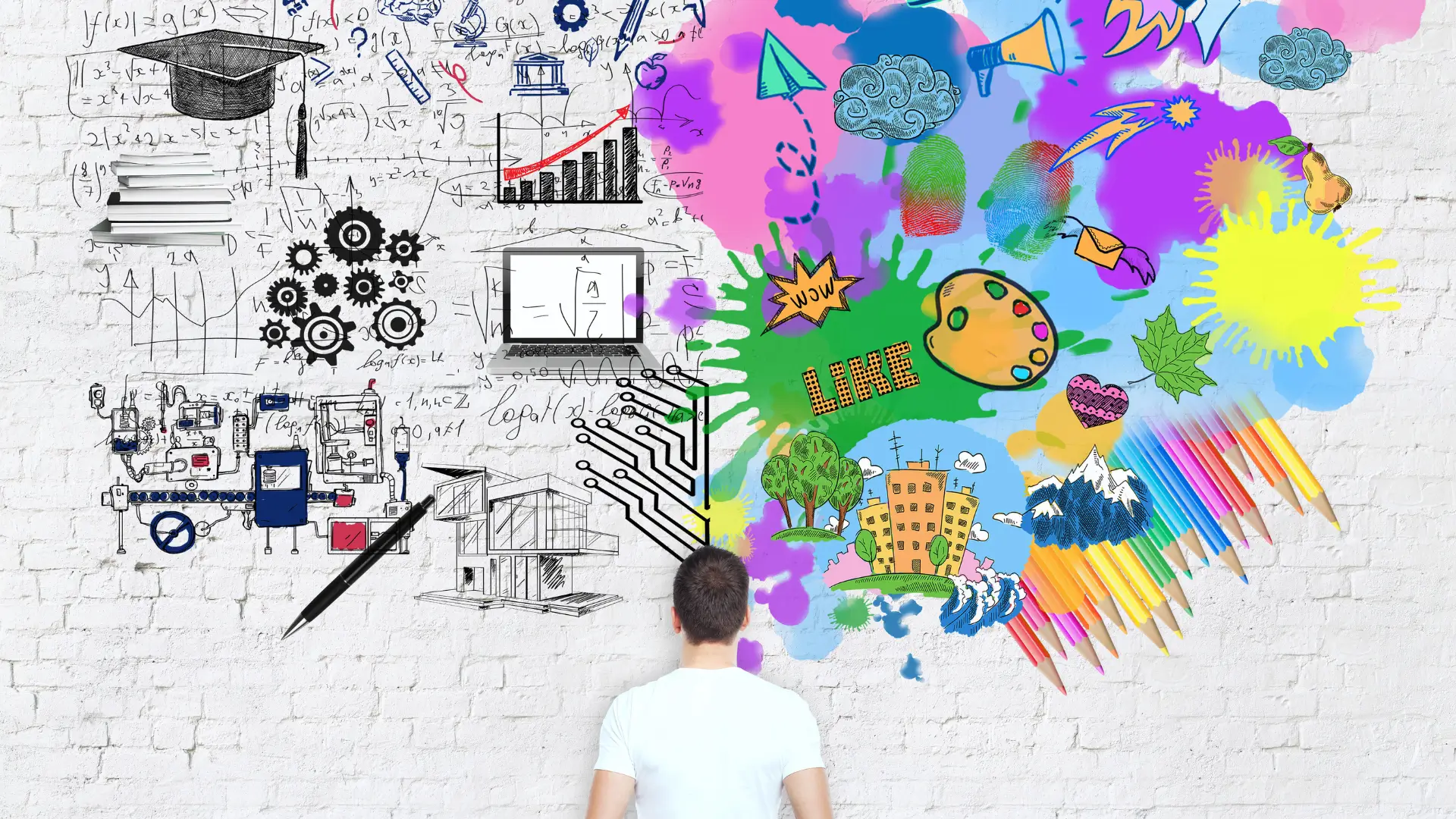
Creativity often emerges from unexpected sources. People frequently find that breaking their usual routines or trying unconventional methods can ignite their creativity in surprising ways. Exploring unique approaches can inspire innovation and lead to breakthroughs that traditional methods might not achieve.
Engaging in activities outside the norm can be a powerful catalyst for new ideas. Simple changes, like altering one’s environment or experimenting with different forms of expression, can foster a fresh perspective. When individuals embrace the unconventional, they often unlock hidden reservoirs of inspiration.
In this blog post, readers will discover five unconventional strategies designed to enhance creativity. Each method offers a distinct pathway to exploring potential, challenging preconceived limits, and ultimately unleashing innovative thinking.
Cultivating a Creative Environment
Creating an environment conducive to creativity involves leveraging silence, nature, and even boredom. Each of these elements plays a critical role in stimulating fresh ideas and enabling a clearer mindset.
Finding Clarity in Silence
Silence offers a powerful space for reflection and thought. In a world filled with constant noise, taking time to embrace silence allows one’s mind to unwind. This quietude can lead to heightened mindfulness, enabling deeper thinking and improved focus on tasks.
Incorporating silent periods into a daily routine fosters clarity. Setting aside even ten minutes for complete silence can create a mental reset. During this time, creative individuals can process complex ideas or generate new ones more effectively.
Embracing Nature’s Influence
Nature serves as a significant source of inspiration. Experiencing natural settings can rejuvenate the mind and spark creativity. A simple walk in the park or time spent in the garden can foster a sense of peace.
Studies have shown that being in green spaces reduces stress and enhances mood. This newfound clarity can lead to innovative thinking. To cultivate creativity, individuals can integrate nature into their daily lives, whether through outdoor meetings or designing a workspace with plants.
The Power of Boredom
Boredom is often dismissed but can be an unconventional method for creativity. When faced with a lack of stimulation, the mind begins to wander, allowing for imaginative thoughts to flourish. Embracing moments of boredom can lead to unexpected insights and original ideas.
Encouraging the practice of boredom can foster resilience against distractions. Setting aside time for less structured activities can stimulate the brain’s creative pathways. By allowing space for boredom, individuals can unlock their potential and think outside the box.
Unorthodox Approaches to Problem-Solving
Finding innovative solutions often requires stepping outside conventional boundaries. Two effective methods include leveraging constraints and encouraging cross-pollination, both of which can significantly boost creativity.
Leveraging Constraints
Imposing limitations can fuel creativity rather than stifle it. By establishing specific parameters, individuals can challenge themselves to think innovatively within those boundaries. For instance, a project with a tight budget may push a team to brainstorm cost-effective solutions they might not have otherwise considered.
This approach can take various forms, such as time constraints or material limitations. By recognizing constraints as catalysts for creative thinking, individuals can uncover unexpected insights and generate innovative ideas. Embracing these challenges often results in unique problem-solving strategies and diverse thinking, ultimately enhancing the outcome of any project.
Encouraging Cross-Pollination
Cross-pollination of ideas from different fields fosters innovation. When individuals from various disciplines collaborate, they exchange unique perspectives that can lead to creative breakthroughs. This sharing of knowledge encourages diverse thinking and helps individuals access alternative problem-solving approaches.
Creating environments where such interactions are possible is crucial. This could involve organizing interdisciplinary workshops or casual brainstorming sessions. The goal is to cultivate a culture that values fresh insights over traditional methods. By bringing together divergent viewpoints, teams can generate inventive solutions to complex problems, harnessing the synergy that arises from collaboration.
Integrating Playfulness Into the Process
Incorporating playfulness into creative work can significantly enhance creative potential. Engaging in various playful activities, including daydreaming and physical exercise, fosters an environment where the mind can thrive. Additionally, promoting collaboration opens avenues for collective genius.
The Role of Daydreaming
Daydreaming serves as a powerful tool for unlocking creativity. When the mind wanders, it often leads to unexpected ideas and insights. This relaxed state encourages free association, allowing for connections that structured thinking might miss.
Researchers have found that brief periods of daydreaming can energize cognitive processes. It provides a break from routine thoughts and promotes a fresh perspective. Engaging in daydreaming regularly can stimulate creative breakthroughs that enhance overall work quality.
Physical Exercise as a Creative Catalyst
Physical exercise plays a crucial role in boosting creativity. Engaging in any form of movement increases blood flow to the brain, which helps to energize the mind. This physical activity can take many forms, such as walking, dancing, or sports.
Studies suggest that post-exercise, individuals often experience a surge in creative thinking. Incorporating regular physical activity into daily routines can yield improved mental clarity and facilitate the exploration of new ideas. People who exercise regularly report feeling more inspired and innovative.
Promoting Collaborative Creativity
Collaboration enhances creativity by mixing diverse perspectives and skills. Engaging with others fosters an environment where playful exchange of ideas can flourish. Collective genius occurs when participants feel free to express thoughts without fear of judgment.
To promote collaborative creativity, teams can incorporate playful activities, such as brainstorming games or role-playing. These methods break down barriers and stimulate collective thinking. As individuals engage in collaborative processes, the synergy generated can lead to more innovative outcomes.



0 Comments