Musical Traditions from Around the World: A Journey Through Diverse Cultures and Sounds

Music serves as a universal language that transcends borders, offering insights into diverse cultures and societal values. Musical traditions from around the world reflect cultural identity and artistic expression, showcasing unique sounds, instruments, and styles that connect communities and preserve history.
From the intricate rhythms of African drums to the melodic lines of Indian classical music, these traditions not only entertain but also communicate stories and emotions. They play a crucial role in forging connections within societies, enriching the global music scene with varied influences and perspectives.
Exploring these traditions provides a deeper appreciation for the artistry behind music and its impact on cultural identity. Each region contributes its flavor, making the study of global music a fascinating journey through time and geography.
Evolution of Musical Traditions
Musical traditions have developed and transformed through various influences over the centuries. Key factors include cultural exchange and the role music plays in defining cultural identity.
Ancient Roots and Cultural Exchange
Many musical traditions trace their origins to ancient practices. Ancient music traditions often involved simple instruments, voice, and rhythm. These early forms laid the groundwork for complex systems that emerged later.
As cultures interacted, music evolved through cultural exchange. For example, trade routes facilitated the sharing of instruments and styles between communities. The Silk Road connected East and West, leading to the fusion of musical elements from diverse cultures.
Oral traditions played a vital role in this evolution, passing down musical forms and techniques through generations. This preservation ensured that each culture could retain its unique identity while embracing new influences.
The Role of Music in Cultural Identity
Music serves as a powerful tool for expressing and reinforcing cultural identity. It reflects the values, beliefs, and experiences of a community. Traditional music often conveys important narratives, celebrating history and shared experiences.
In many cultures, music is integral to rituals, festivals, and ceremonies. For instance, African tribal music often accompanies dances that signify community unity. Similarly, folk music from various regions highlights the stories and struggles of the people.
Modern influences and technology have further shaped musical traditions. The rise of global communication allows individuals to explore and blend different styles, fostering a dynamic evolution of music that continues today.
Regional Music Styles and Instruments
The exploration of regional music reveals diverse styles and unique instruments that reflect cultural identities. Each region offers a distinct sound shaped by tradition and innovation.
African Rhythms and Instruments
African music is deeply rooted in rhythm, often featuring complex polyrhythms. The djembé, a hand drum from West Africa, serves as a prominent example. It’s played in various contexts, from celebrations to spiritual rituals.
Instruments like the kora, a 21-string lute, are also significant. The kora creates melodic patterns that accompany storytelling traditions. Other notable instruments include the mbira, or thumb piano, used in ceremonies and celebrations.
Dance often accompanies African musical performances, emphasizing community involvement. Styles such as Afrobeat combine traditional African music with jazz and funk, showcasing the influence of fusion.
Asian Musical Expressions
Asia presents a rich tapestry of musical styles and instruments, each with historical significance. Gamelan, an ensemble music from Indonesia, uses metallophones, gongs, and drums, creating intricate layered sounds.
In Japan, gagaku represents classical music with origins in ancient court rituals. It features instruments like the shamisen and hichiriki that contribute to a unique auditory experience.
Chinese music showcases the guqin, a seven-string zither with profound cultural importance. It’s often linked to philosophy and poetry. Traditional styles like Chinese opera incorporate elaborate storytelling through music and performance, blending vocal and instrumental techniques.
Latin American and Caribbean Vibrance
Latin American music is characterized by its rhythmic diversity and cultural blending. Samba, from Brazil, is highly energetic and connected to dance, featuring instruments like the surdo and cavaquinho.
In the Caribbean, genres such as reggae and calypso emphasize storytelling and social themes. Traditional instruments include the steel pan and bongo drums, which enhance rhythmic expression.
This region also embraces fusion, with styles merging native and global influences. The vibrant festival culture celebrates music as a uniting force, drawing people together through dance and rhythm.
Genre and Form across Cultures
Musical genres and forms are profoundly shaped by cultural heritage, reflecting the diverse practices and philosophies around the world. Different traditions emphasize unique styles, improvisation, and performance settings that contribute to their distinct identities.
Classical Traditions of East and West
Hindustani classical music from India is marked by its intricate raga system, which varies based on mood and time of day. This genre often incorporates improvisation, where musicians explore melodic possibilities within a framework, expressing deep emotional connections.
In contrast, Western classical music has a structured approach, utilizing notation for complex compositions. It typically features forms such as sonatas, symphonies, and operas, which have evolved over centuries, marked by composers like Bach, Mozart, and Beethoven.
Both traditions emphasize the importance of performance context. Hindustani music often includes festivals and personal gatherings, while Western classical music flourishes in concert halls and theatres, showcasing the artistic collaboration of musicians.
Folk Music and Dance Forms
Folk music reflects local customs and traditions, often passed down orally through generations. Griots in West Africa serve as historical narrators, using music to preserve cultural stories and heritage. In Spain, Flamenco blends intricate guitar work and passionate dancing, illustrating the region’s unique cultural synthesis. This performance art form draws on Gypsy, Moorish, and Andalusian influences, showcasing its vibrant emotive power.
Similarly, Taiko drumming from Japan is characterized by powerful rhythms and communal performance. It embodies both physical energy and spiritual connection, often accompanying traditional festivals and rituals. Dance forms associated with these genres enhance the musical experience, emphasizing community and cultural identity through rhythm and movement.
The Impact of Modernity on Traditional Music
Modernity has deeply influenced traditional music through technological advancements, global cultural exchange, and evolving musical styles. These changes shape how traditional music is perceived, preserved, and performed.
Ethnomusicology and Notation Systems
Ethnomusicology plays a crucial role in documenting and analyzing traditional music within its cultural context. This field examines how modernity affects music traditions and the ways these practices are communicated.
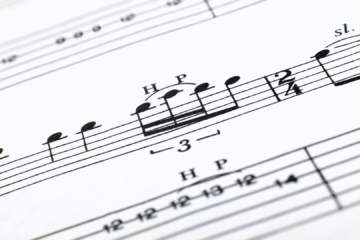
Modern notation systems have emerged, allowing for more accessibility and study of global music traditions. These systems enable musicians to replicate and disseminate traditional pieces while also influencing how cultural identity is maintained. Notation may adapt to include contemporary elements, blending original methods with modern needs for preservation and education.
Adaptation and Fusion
Adaptation and fusion are key aspects of how traditional music interacts with modern influences. Musicians often incorporate contemporary styles, instruments, and production techniques into their performances. This blend enriches the global music scene.
Cultural exchange facilitates this process, as musicians collaborate across genres and regions. For instance, traditional African rhythms can merge with Western pop, resulting in innovative hybrid genres. This fusion maintains the essence of traditional music while encouraging creativity. As a result, cultural identities evolve, reflecting both heritage and contemporary influences in diverse musical styles.


0 Comments