The Influence of Classical Music on Modern Pop: Unveiling the Timeless Connection
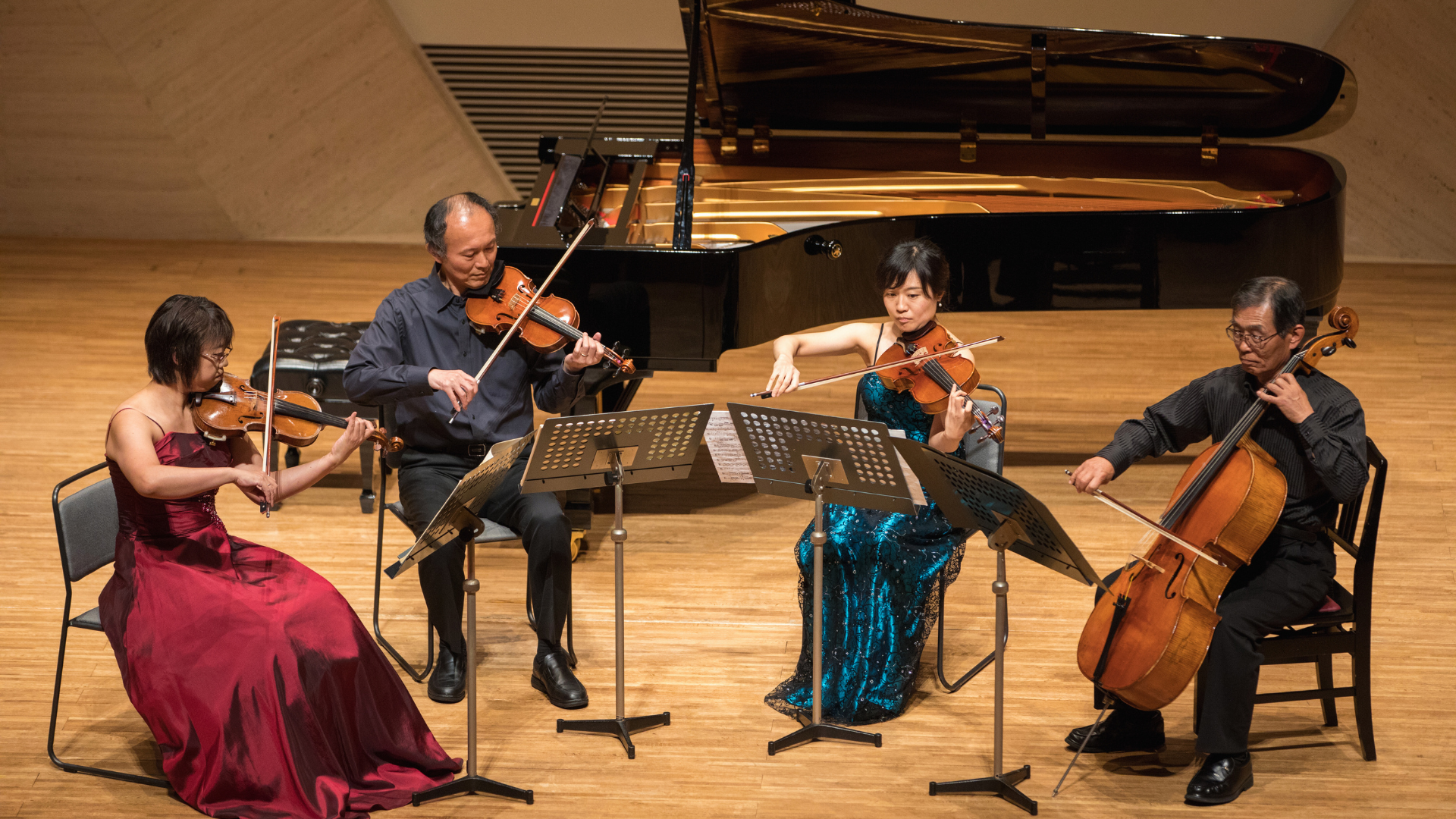
The intersection of classical music and modern pop reveals a fascinating landscape of creativity. Many contemporary pop artists draw on classical music’s rich harmonic and melodic frameworks to elevate their sound, blending genres in innovative ways. This synthesis not only enriches the listening experience but also showcases the lasting legacy of classical music in an ever-evolving musical world.
Listeners may find that elements such as orchestral arrangements, intricate chord progressions, and thematic development from classical works resonate in today’s hits. Artists like Lady Gaga and Coldplay incorporate these elements, demonstrating how classical influences can enhance emotional expression and complexity in pop music.
Exploring this influence unveils a deeper appreciation for both styles. By recognizing the connections between classical and modern pop, audiences can better understand how music evolves and how the past constantly shapes the present.
The Historical Context of Classical Music’s Influence
Classical music has significantly shaped the landscape of modern pop through its rich history and diverse elements. The evolution of musical styles and the impact of prominent composers have created a foundation that continues to resonate in contemporary sounds.
Evolution from Baroque to Contemporary
The Baroque period (approximately 1600-1750) marked a significant transition in music. It emphasized ornamentation and expressiveness, with composers like Johann Sebastian Bach setting high standards for musical complexity.
As music evolved into the Classical period (1750-1820), figures such as Wolfgang Amadeus Mozart introduced clarity and balance. This laid the groundwork for emotional expression in music, leading into the Romantic era, where composers like Ludwig van Beethoven further explored the depths of human emotion.
Today’s pop music often incorporates these classical elements, whether through orchestral arrangements or harmonic structures that echo Baroque and Classical influences.
Notable Composers and Their Impact
Key figures in classical music have left lasting legacies that permeate modern pop. Johann Sebastian Bach, known for his intricate counterpoint, has influenced countless artists. His compositions often serve as a foundation for timeless melodic structures.
Wolfgang Amadeus Mozart brought an innovative approach to melody and harmony. His ability to blend simplicity with sophistication can be seen in pop songs that prioritize catchy hooks while maintaining musical depth.
Ludwig van Beethoven’s exploration of emotion and dynamic contrasts has inspired many contemporary musicians. His works resonate in the emotional storytelling found in today’s lyrics, establishing a bridge from classical music to modern popular genres.
Technical Aspects of Classical Influence on Modern Pop
The intersection of classical music and modern pop reveals critical technical elements that shape the latter’s composition. Factors such as melody, harmony, rhythm, and chord progressions showcase the profound legacy classical music has left on contemporary sounds.
Melody and Harmony
Classical music often employs intricate melodic lines, characterized by ornamentation and variation. Modern pop artists adopt these techniques to enhance vocal performances, often integrating classical motifs within catchy hooks.
Harmony plays a significant role, too. Pop music frequently borrows extended harmonies from classical traditions, such as seventh and ninth chords, which add depth and richness. This use allows for emotional expression and complements the lyrical content, creating a more engaging listening experience.
Rhythm and Tempo
Rhythm in classical music is highly diverse, featuring complex time signatures and syncopation. Pop music, while generally grounded in 4/4 time, experiments with these concepts to maintain listener interest.
Artists often merge elements like staccato attacks or legato phrasing found in classical works, resulting in unique rhythmic patterns. Tempo variations also arise, with slower classical pieces inspiring ballads and faster compositions energizing dance tracks.
Chord Progressions and Structure
Classical music employs a variety of chord progressions, many of which are foundational in modern pop. For instance, the I-IV-V progression is prevalent in both genres, providing a familiar framework.
Moreover, classical compositions often follow elaborate structures such as sonata form, which can inform how pop songs are crafted. While typical pop songs lean towards verse-chorus structures, the influence of classical themes creates opportunities for more adventurous arrangements.
Modern Artists and Classical Inspirations
Numerous modern artists draw heavily from classical music, utilizing its structures and instrumentation to create innovative sounds. This connection manifests in various genres, blending classical elements with contemporary pop sensibilities.
Contemporary Pop Artists
Many contemporary pop artists incorporate classical influences into their music. For instance, Lady Gaga often uses orchestral sounds, supplementing her electronic beats with string sections. Songs like “Speechless” highlight this blend, showcasing her vocal range against a classical backdrop.
Billy Joel, known for his ability to fuse rock and classical elements, frequently employs piano arrangements reminiscent of classical composers. Tracks such as “Piano Man” reveal his appreciation for intricate melodies and harmonies that echo classical traditions while remaining firmly rooted in pop.
Rock and Progressive Influences
Rock bands like Pink Floyd have been pivotal in fusing classical motifs within their music. Their album “The Wall” features orchestral arrangements that enhance the emotional depth of the narrative. The use of string and brass sections elevates their sound, intertwining rock’s raw energy with classical sophistication.
The Beatles also contributed to this blend, particularly in their later albums. Songs like “Eleanor Rigby” feature string quartets, creating a dramatic contrast to their earlier works. Their experimentation opened doors for future artists to explore classical music’s potential within rock.
Sampling and Orchestral Arrangements in Pop
Sampling has become a vital practice in modern pop, often borrowing from classical compositions. Artists utilize snippets from classical works, recontextualizing them within contemporary beats. This method allows pop music to connect with historical sounds while creating fresh experiences.
Additionally, orchestral arrangements play a crucial role in modern pop production. Songs by artists like Adele incorporate lush strings and orchestral layers to enhance emotional resonance. These arrangements serve to bridge the gap between classical and modern compositions, illustrating the lasting influence of classical music in today’s pop landscape.
Cultural and Emotional Impact of Classical Music on Pop
Classical music has significantly shaped modern pop by infusing emotional depth and creating connections that resonate through generations. Its influence is evident in the ways artists incorporate classical elements into their work, enhancing the overall listening experience.
Emotional Depth and Timeless Connection
Classical music brings a profound emotional resonance to pop tracks. The use of orchestral arrangements, intricate melodies, and dynamic contrasts creates a richer sound palette. For example, artists like Adele and Coldplay often draw on these elements to evoke deep feelings, allowing listeners to connect more intimately with the music.
This emotional depth fosters a timeless connection. The themes explored in classical compositions—such as love, loss, and triumph—are universal and remain relevant in contemporary lyrics. This bridge between eras enables pop artists to communicate complex emotions effectively while reaching a diverse audience.
Classical Music in Modern Popular Culture
Classical music’s presence in pop culture is unmistakable. Numerous pop songs sample famous classical pieces, introducing them to new audiences. For instance, the use of Vivaldi’s “Four Seasons” in various commercials and films highlights its lasting appeal.
Additionally, collaborative projects between pop artists and classical musicians have gained traction. These ventures showcase how classical techniques can elevate pop music’s sophistication. This interplay emphasizes how classical music continues to inspire and shape modern genres, making it an integral part of contemporary musical landscapes.


0 Comments